
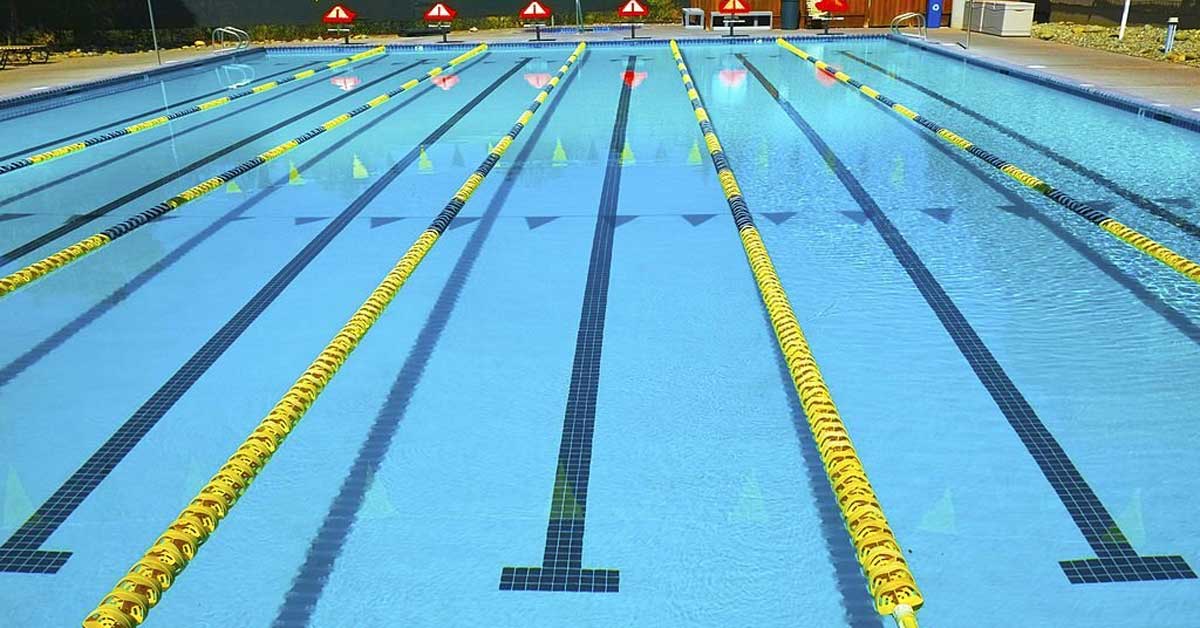
The term “Olympic swimming pool” immediately invokes images of grandeur, athleticism, and a space where champions are made. In this comprehensive guide, we embark on a journey to explore the depths of an Olympic swimming pool’s dimensions, features, materials, water capacity, lane count, pricing, and optimal temperature. By delving into these aspects, we unravel the essence of these aquatic marvels that have witnessed the triumphs of countless athletes.
Understanding the Dimensions of an Olympic Swimming Pool
An Olympic swimming pool adheres to stringent measurements that reflect the international standards set by FINA (Fédération Internationale de Natation). It spans 50 meters in length and 25 meters in width. With a minimum depth of 2 meters, it accommodates various swimming styles and competitions, including freestyle, backstroke, breaststroke, and butterfly. These dimensions ensure uniformity and fairness across international competitions.
Exploring the Distinctive Features of an Olympic Swimming Pool
- Competition-Grade Facilities: Olympic swimming pools are equipped with state-of-the-art systems for timing, lighting, and underwater cameras, enabling accurate competition measurements and enhancing the spectator experience.
- Advanced Filtration and Circulation: Cutting-edge filtration and circulation systems maintain water quality, ensuring a hygienic environment for both swimmers and spectators.
- Temperature Control: Olympic swimming pools feature temperature control mechanisms to maintain water at a regulated temperature conducive to optimal performance and comfort.
Materials Used in Olympic Pool Construction
The materials utilized in constructing an Olympic swimming pool encompass reinforced concrete, PVC lining, and ceramic tiles. These materials ensure durability, resistance to chemical exposure, and smooth surfaces that facilitate efficient swimming.
Water Capacity of an Olympic Swimming Pool
An Olympic swimming pool holds approximately 660,430 gallons or 2,500,000 liters of water. This substantial volume accommodates multiple swimmers simultaneously, enabling efficient training and competitive events.
 Lane Count in an Olympic Swimming Pool
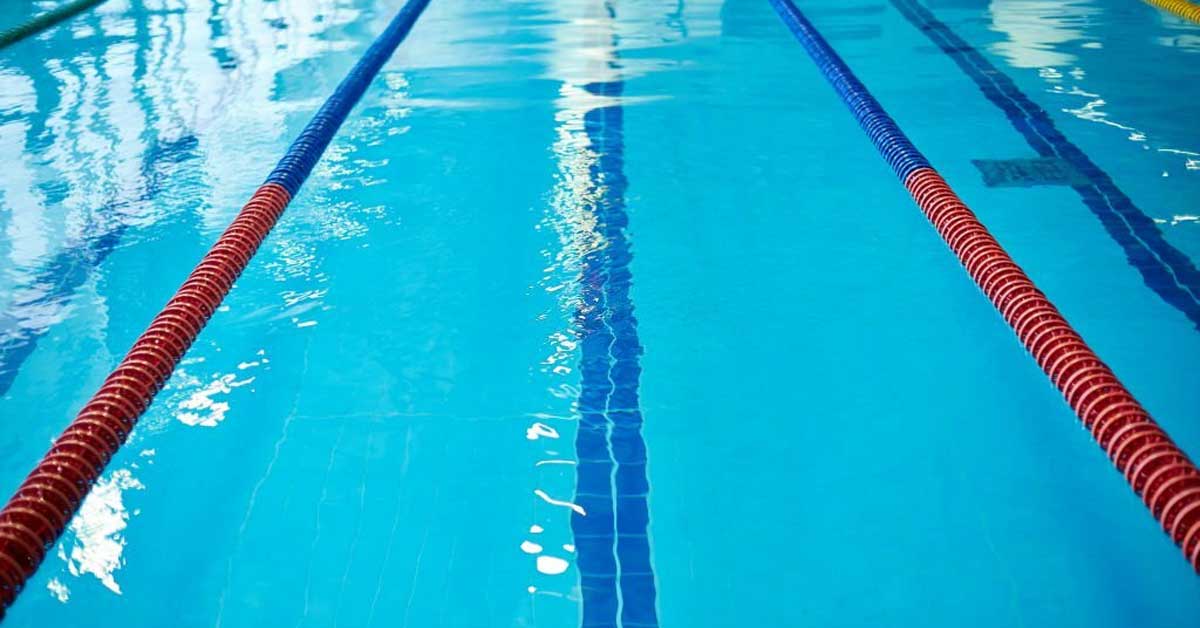 Lane Count in an Olympic Swimming Pool
An Olympic swimming pool comprises a total of 10 lanes, each measuring 2.5 meters in width. This allows for multiple swimmers to compete side by side in official competitions, fostering an atmosphere of camaraderie and healthy competition.
Pricing Considerations for Olympic Swimming Pools
The cost of constructing an Olympic swimming pool varies based on factors such as location, design complexity, materials used, and additional features. Generally, Olympic swimming pools entail significant investment due to their precision engineering and adherence to international standards.
Optimal Temperature for Olympic Swimming Pools
Olympic swimming pools are typically maintained at a temperature of around 25 to 28 degrees Celsius (77 to 82.4 degrees Fahrenheit). This range provides a balance between the swimmers’ comfort and ideal conditions for peak performance.
Frequently Asked Questions
What Does “Semi-Olympic Swimming Pool” Mean?
A semi-Olympic swimming pool refers to a pool that adheres to dimensions similar to an Olympic pool but is of a smaller scale, typically used for training and recreational purposes.
What Defines the Olympic Standard?
The Olympic standard entails adhering to FINA’s guidelines for pool dimensions, water quality, and equipment specifications.
How Long Does It Take to Fill an Olympic Pool?
Filling an Olympic swimming pool can take several days, depending on the water source and flow rate.
What Does “Full Olympic” Mean?
Full Olympic” refers to a pool that adheres to the precise dimensions and standards established for Olympic swimming competitions.
Conclusion
In conclusion, the realm of Olympic swimming pools encompasses precision, athleticism, and a dedication to excellence. The meticulous adherence to dimensions, features, materials, and temperature control culminates in an environment where swimmers achieve greatness. When the vision for an Olympic swimming pool beckons, ReformSports.com stands as a trusted partner. With a commitment to excellence, ReformSports.com transforms dreams into tangible aquatic arenas, epitomizing the spirit of athletic triumph and aspiration.