We complete and deliver your
Synthetic Turf Football Pitches in
20 days!

Reform Sports, specialized in the construction of football fields, carries out synthetic turf football field projects, whether open or covered, in a short period and with a turnkey solution. Thanks to our team of experts and high-quality materials, we complete your projects on time and without any omissions.

Estimated Delivery Times for Football Field Construction:

  • Outdoor Synthetic Turf Football Pitch Average 4 Weeks
  • Indoor Synthetic Turf Football Pitch Average 6-8 Weeks
  • Regular Football Pitch average 6-8 Weeks
  • Mini Football Pitch Average 4 Weeks

To obtain detailed information about football field construction and our turnkey solutions, as well as to request a quick price quote, please fill out the form completely.

With more than 32 years of experience in synthetic turf football field construction, Reform Sports completes football field projects, whether open or covered, in a short time with a turnkey solution.

To receive a quick quote and more information, please fill out the form completely. Our expert team will contact you as soon as possible via phone or email.

Get Your Offer Now!

    gombani nizami

    Synthetic Football Pitches

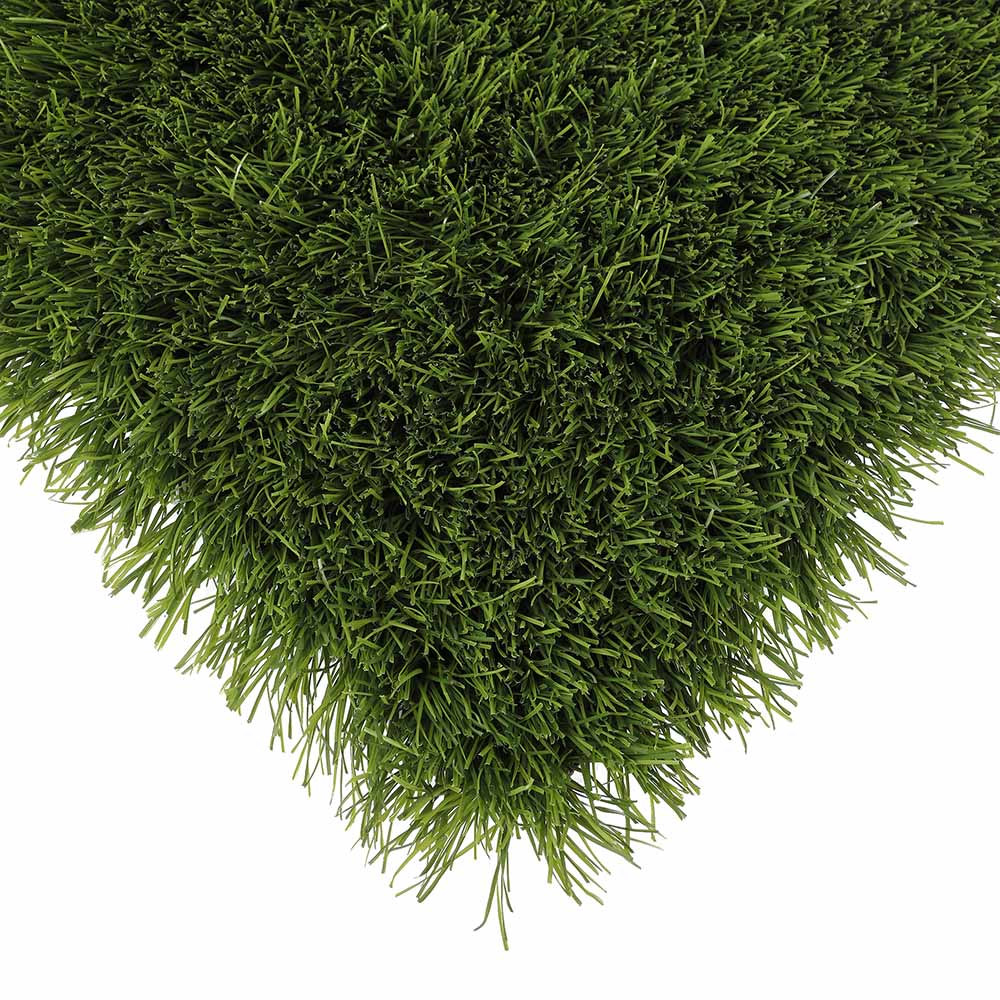
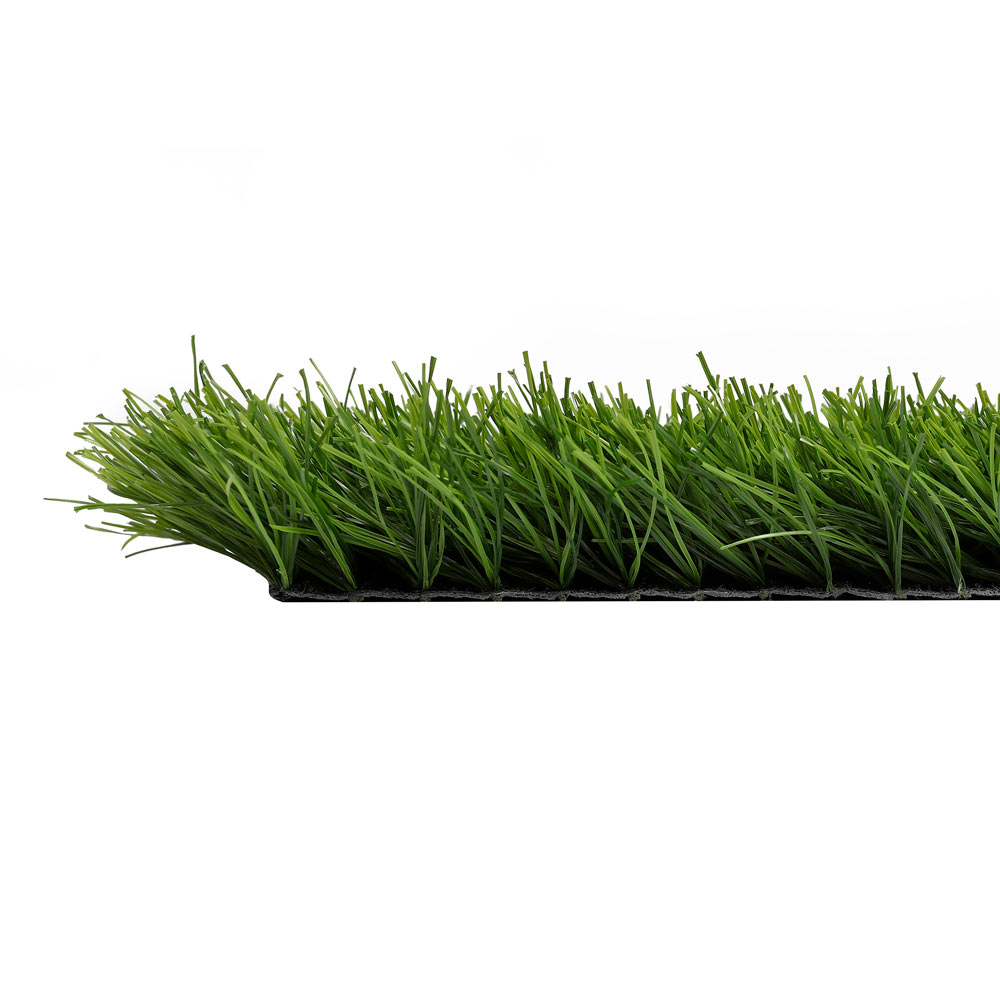
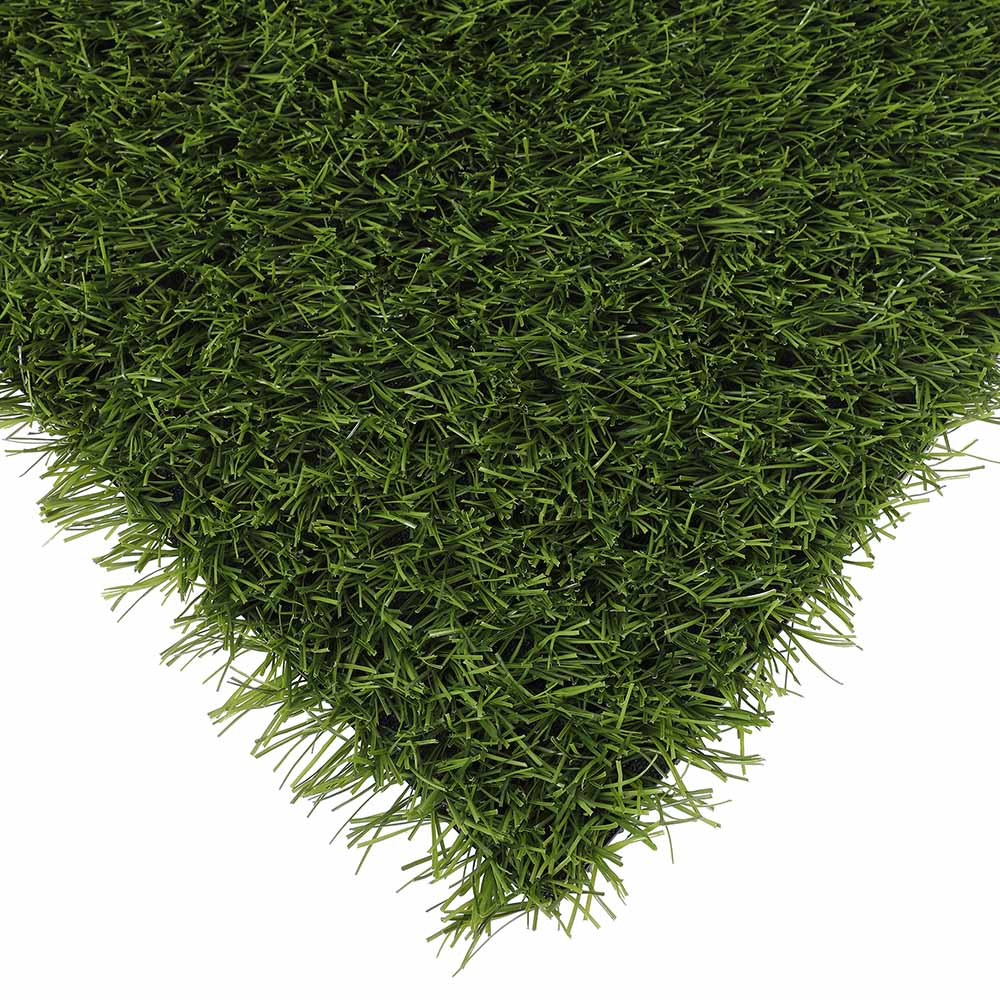
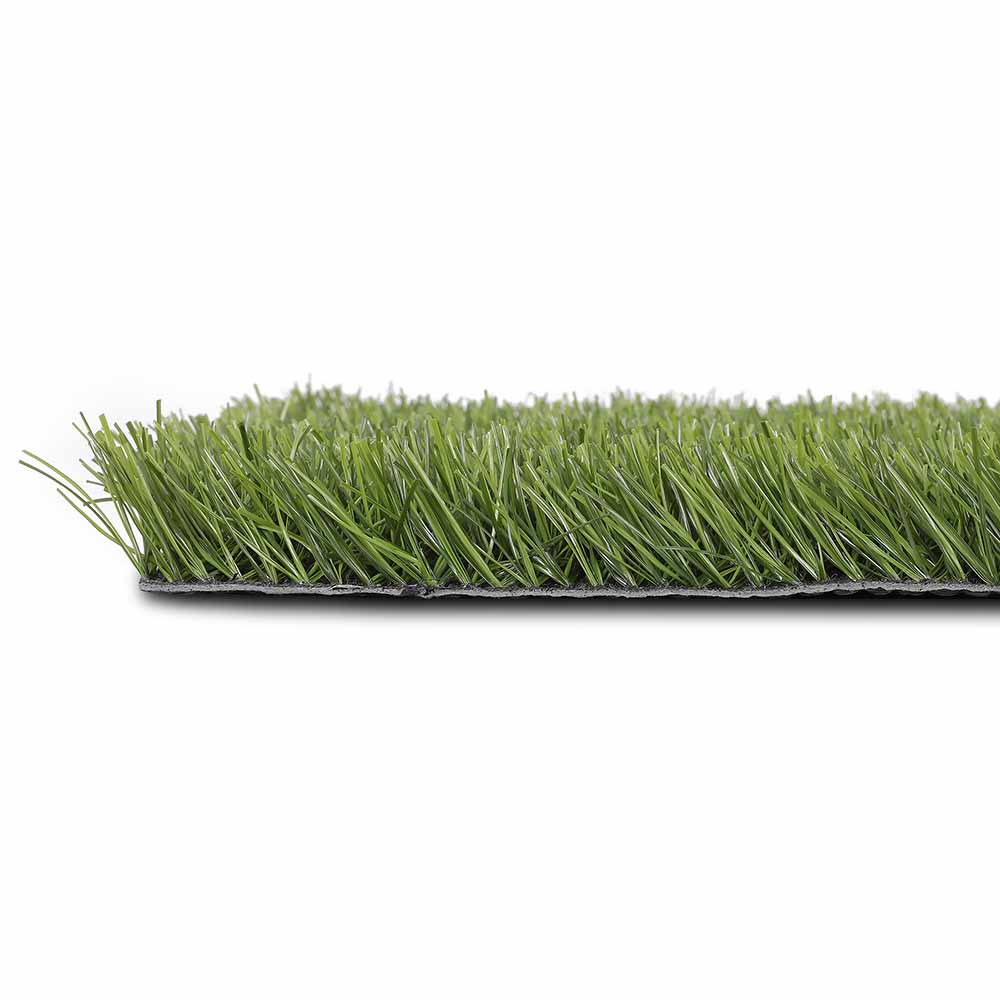
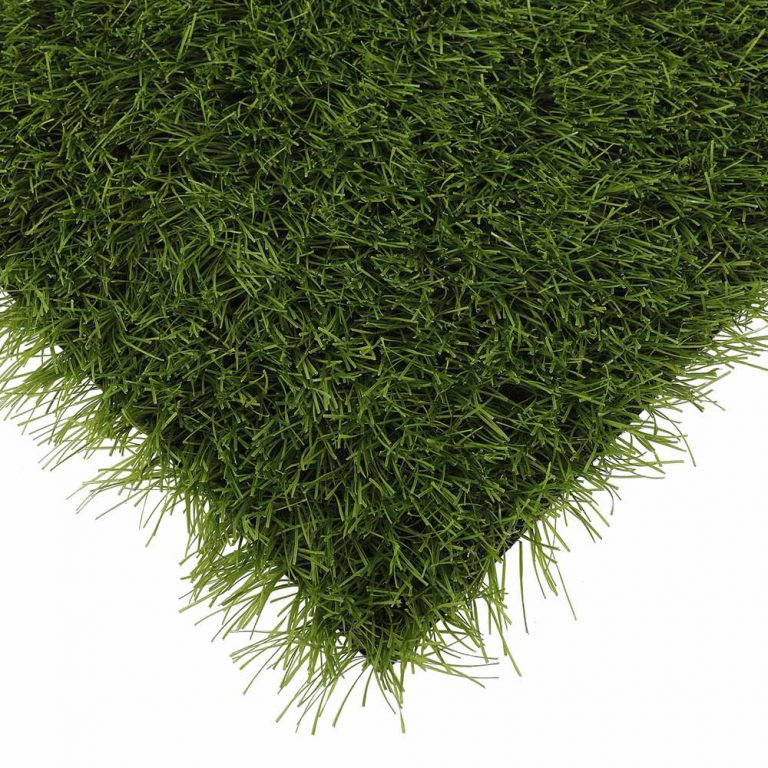
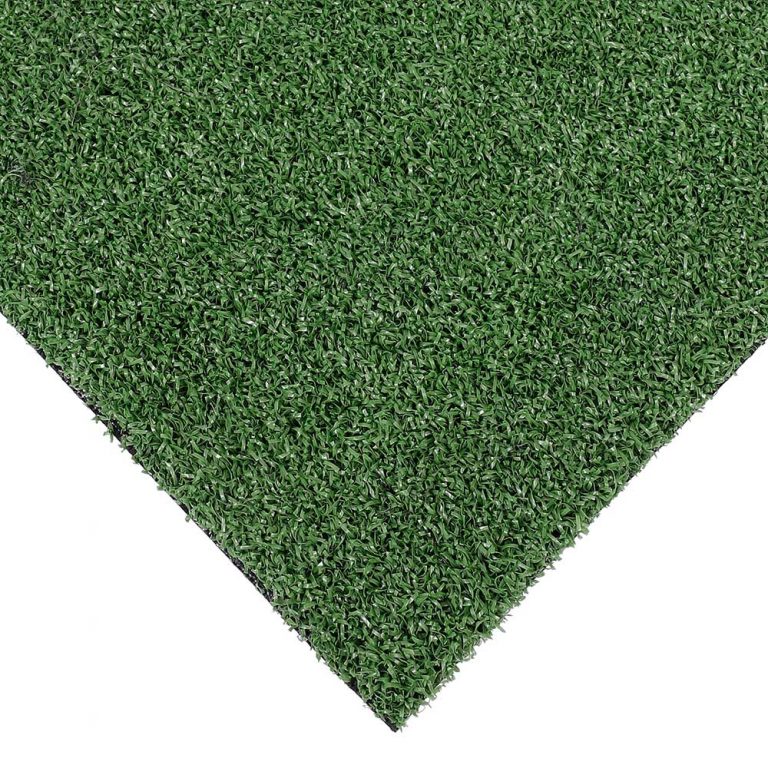
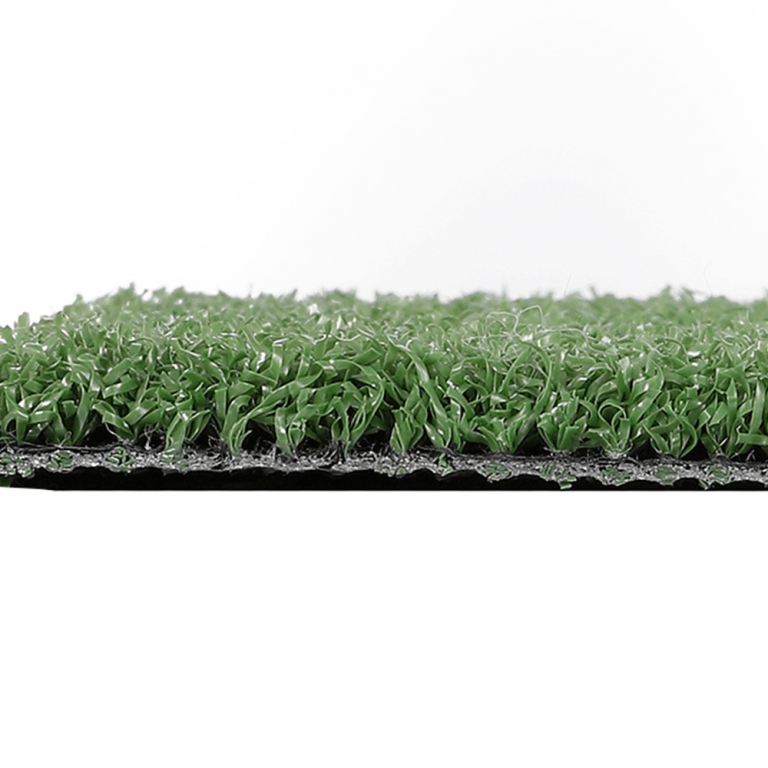
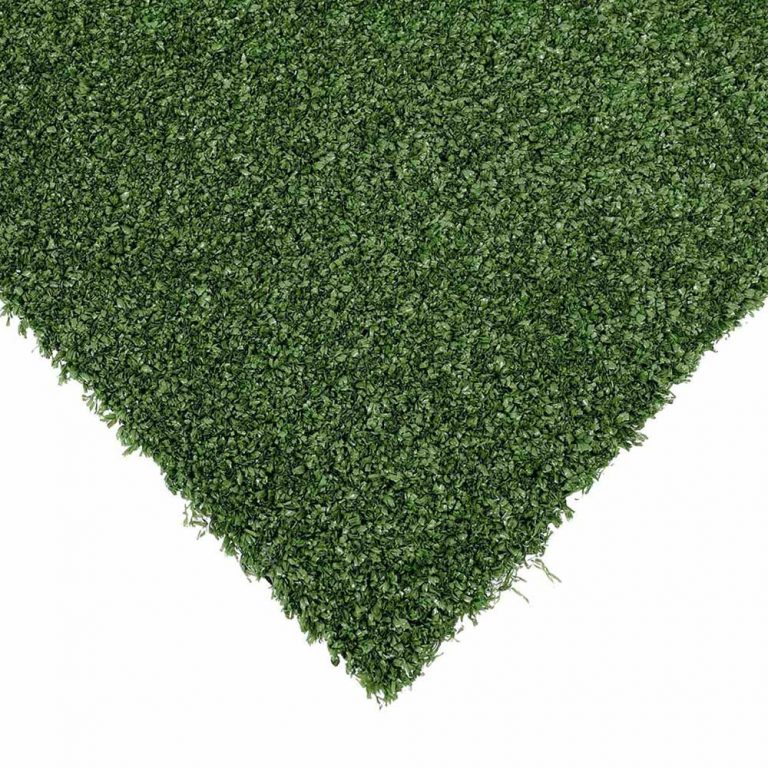
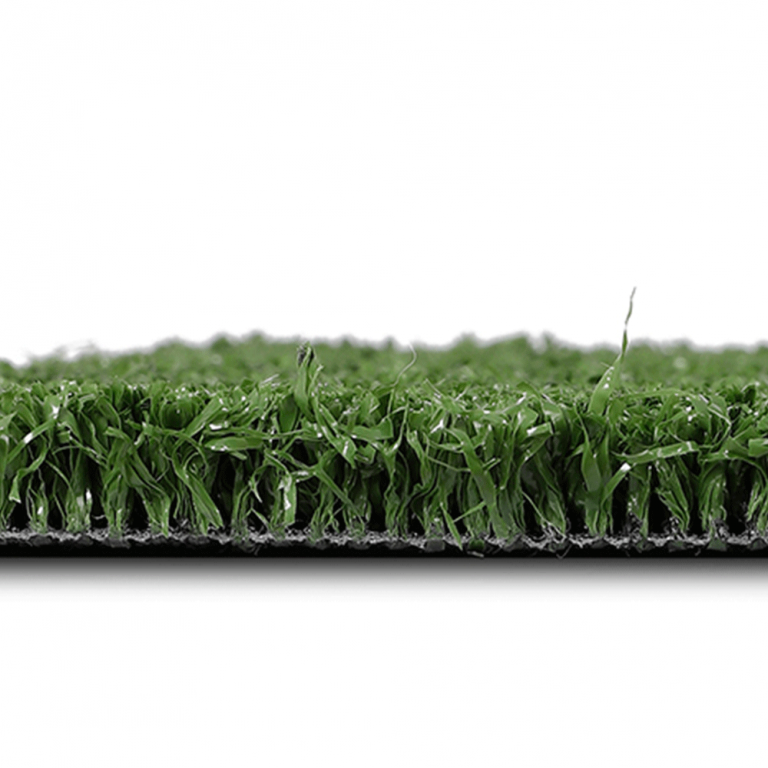
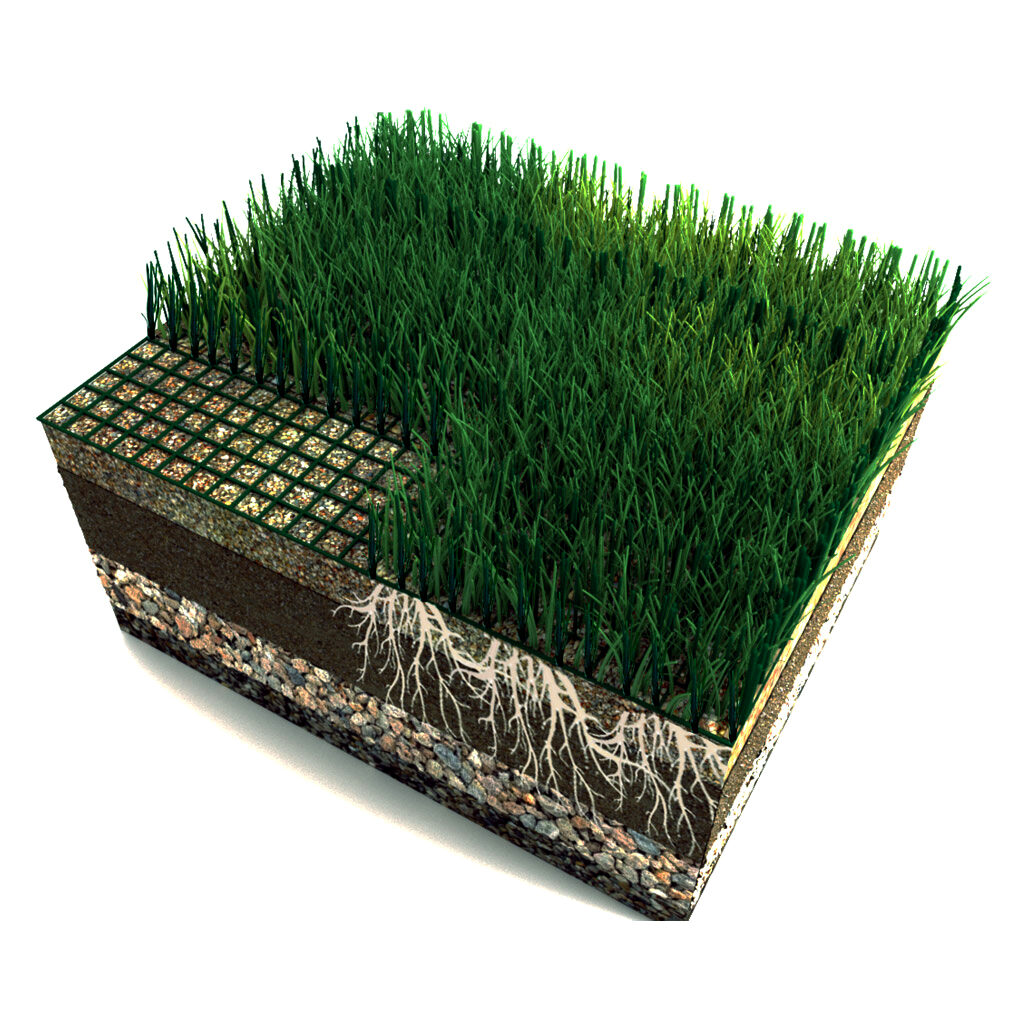
    Our synthetic turfs designed for football fields are primarily intended to ensure player safety. Their soft and wear-resistant synthetic texture minimizes the risk of injury while offering durability thanks to their resistance to all weather conditions. Whether in the rain or under intense sunlight, our synthetic turfs maintain their performance and quality.

    Furthermore, ball performance and surface durability are key factors that we consider in the construction of our football fields. Our high-performance and durable synthetic turfs are manufactured in full compliance with FIFA standards.

    Synthetic turf football fields are designed to meet the modern football field requirements, offering a natural grass-like appearance, low maintenance costs, and long-lasting playability. With their high durability and exceptional playing comfort, synthetic turf football fields are the ideal solution for both amateur and professional use.

    With over 32 years of experience in football field construction, Reform Sports prioritizes quality and customer satisfaction.

    acik hali saha

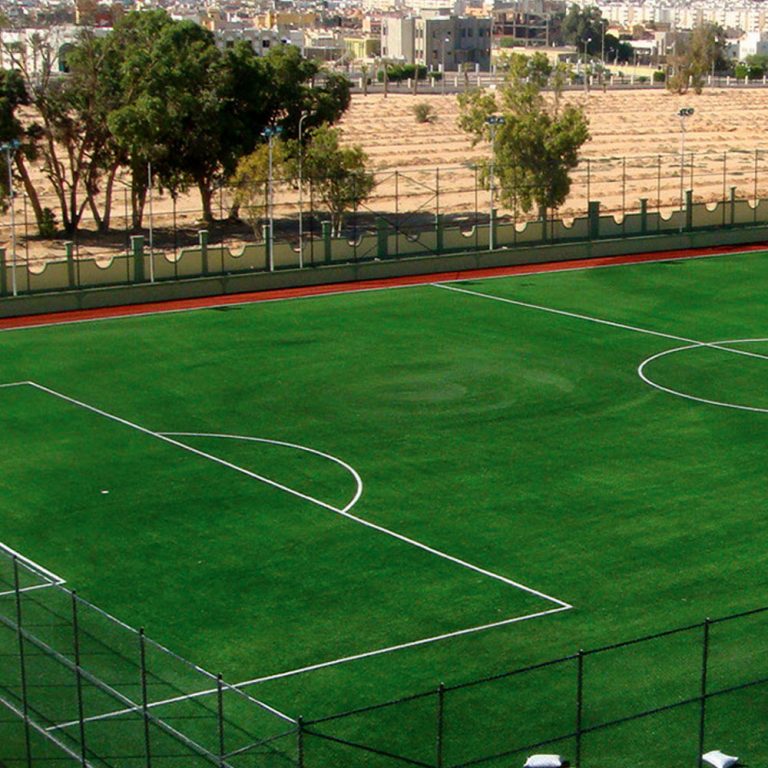
    Outdoor Synthetic Turf Football Pitch

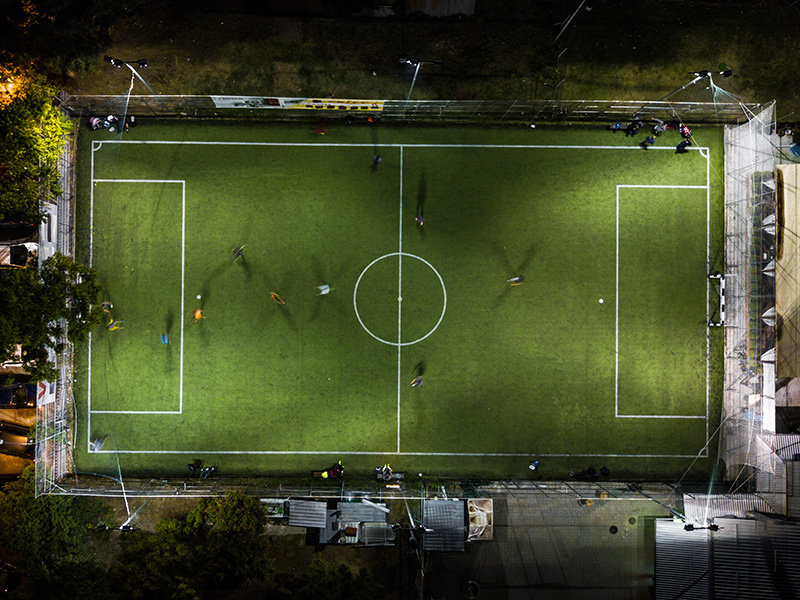
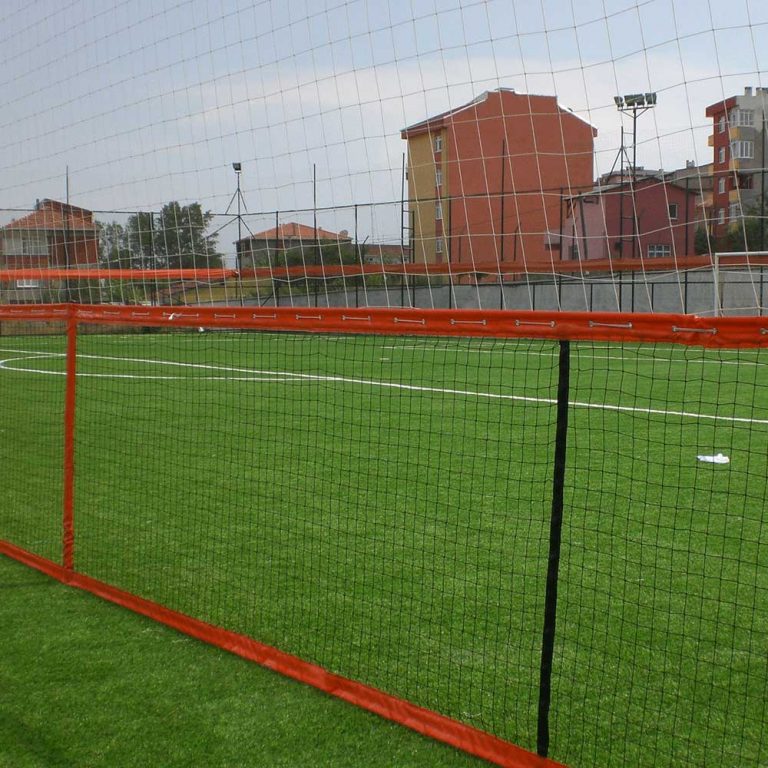
    Outdoor football fields are designed with a metal fence system surrounding the sides and a net covering the ceiling, while the ground is covered with next-generation synthetic turf. Thanks to the expertise and experience of the Reform Sports team, these fields can be built in just 4 weeks with a turnkey solution.

    In the construction of outdoor football fields and mini-football fields, the dimensions generally range between 20×40 m and 30×60 m, depending on the project’s requirements.

    Indoor Synthetic Turf Football Pitch

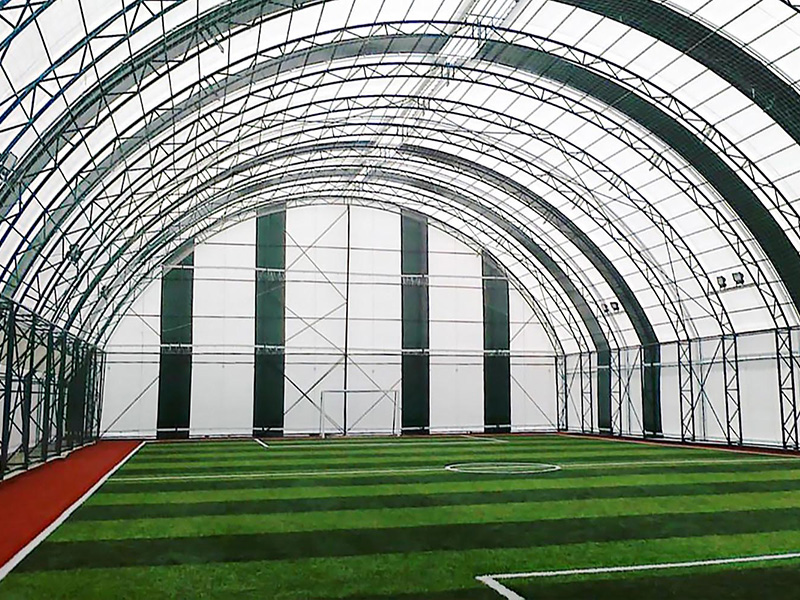
    Indoor synthetic turfs are enclosed structures built according to static calculations. The construction is covered with a tarpaulin or a corrugated fiberglass coating. The sidewalls of the field can be designed to be opened or closed, depending on preferences.

    Thanks to the use of third and fourth-generation synthetic turf, these indoor synthetic turfs are built with a turnkey solution within 6 to 8 weeks by the expert and experienced team of Reform Sports.

    The recommended dimensions for indoor synthetic turfs range between 20×40 m and 30×60 m, depending on the project’s specific requirements.

    kapali hali saha
    Estadio Centenario

    Regular Football Pitch

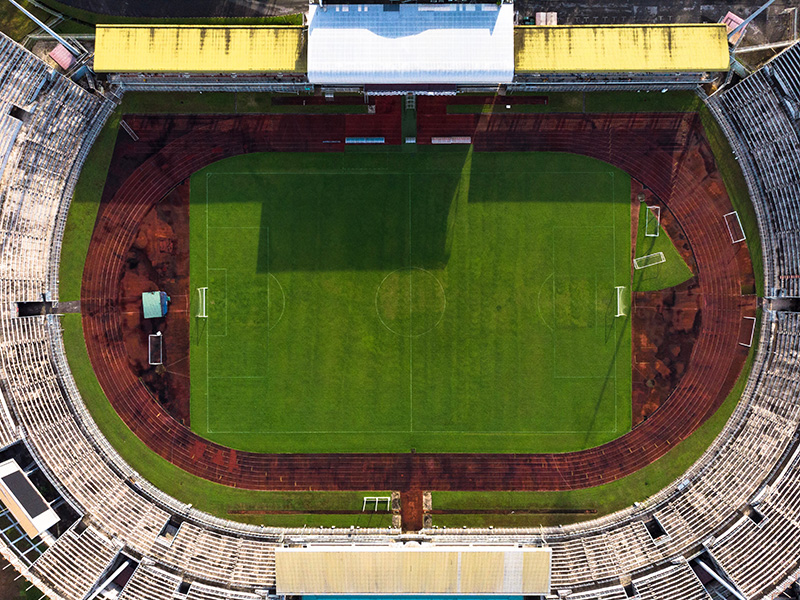
    Standard regular synthetic turf football fields, preferred by professional and amateur football clubs, can be built in accordance with FIFA QUALITY and FIFA QUALITY PRO standards.

    In compliance with FIFA international standards, standard regular artificial turf fields are constructed with minimum dimensions of 45×90 m and maximum dimensions of 90×120 m.

    With its expertise in infrastructure and superstructure, Reform Sports ensures the turnkey construction of synthetic turf fields within 6 to 8 weeks.

    FOOTBALL PITCH CONSTRUCTION
    PRODUCTS

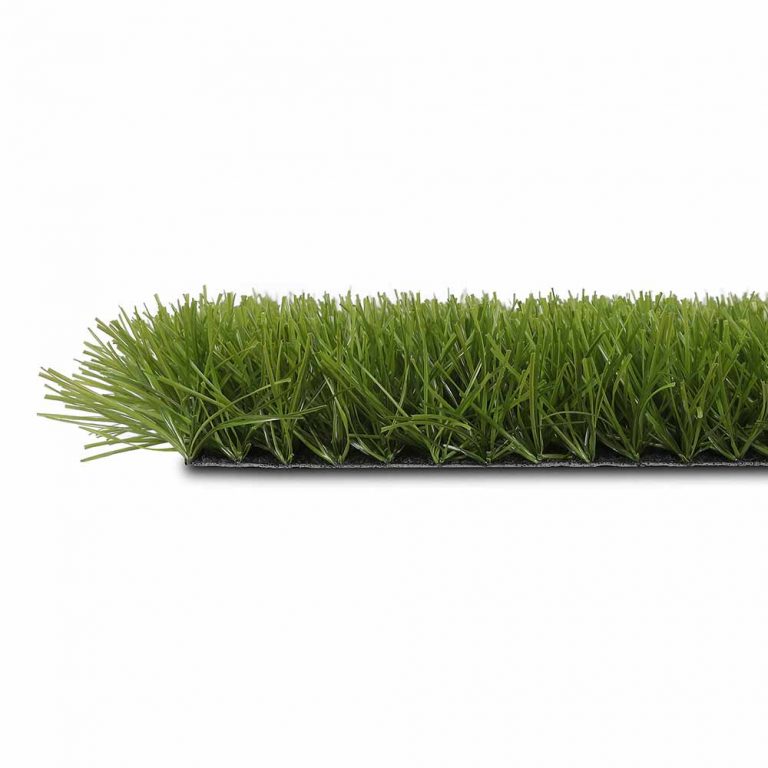
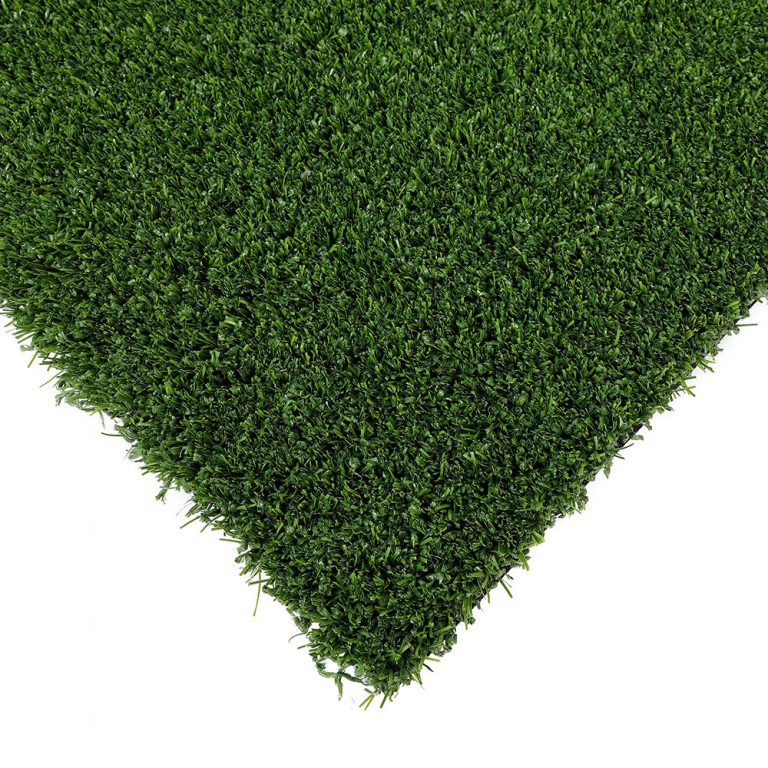
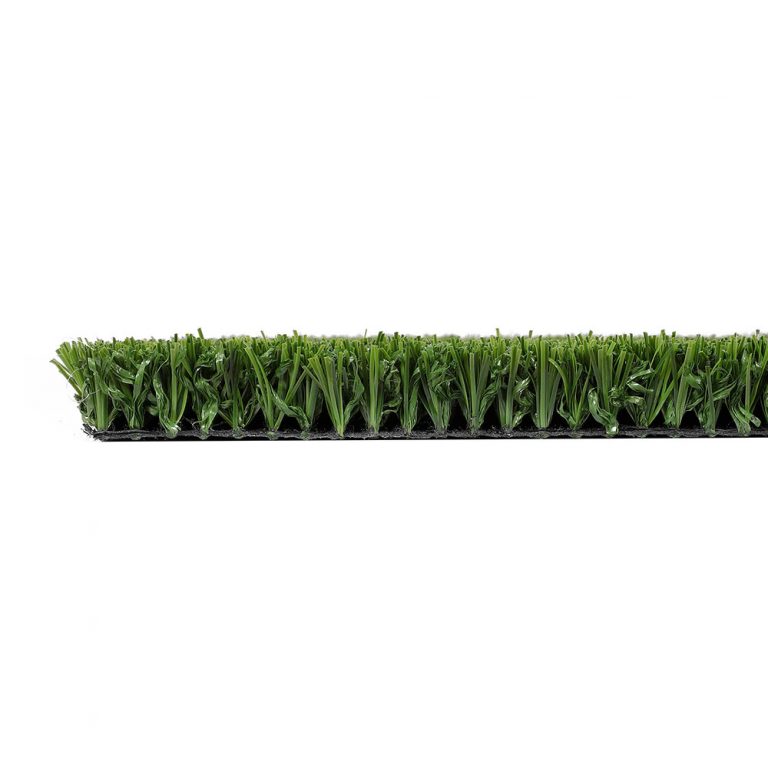
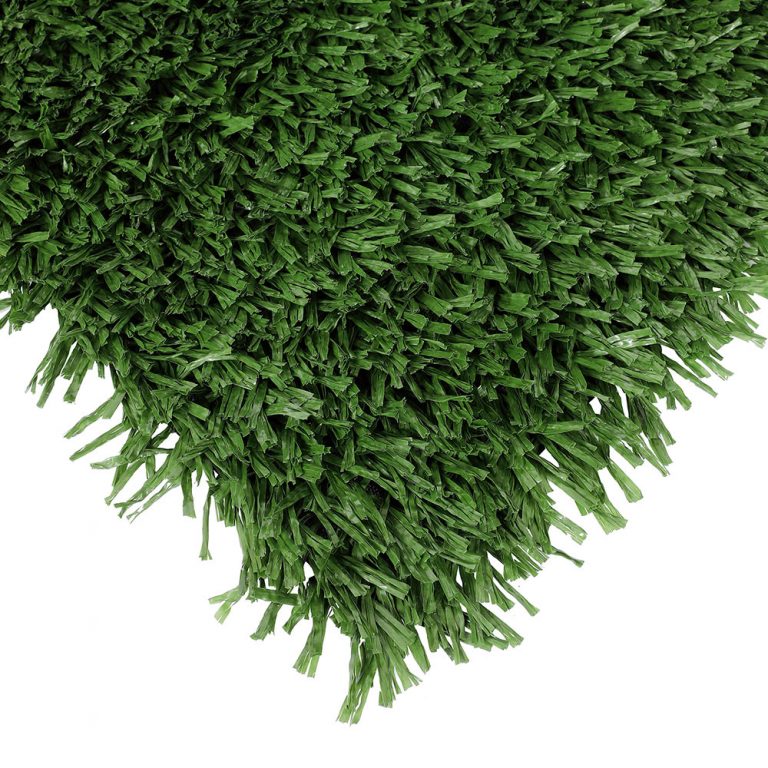
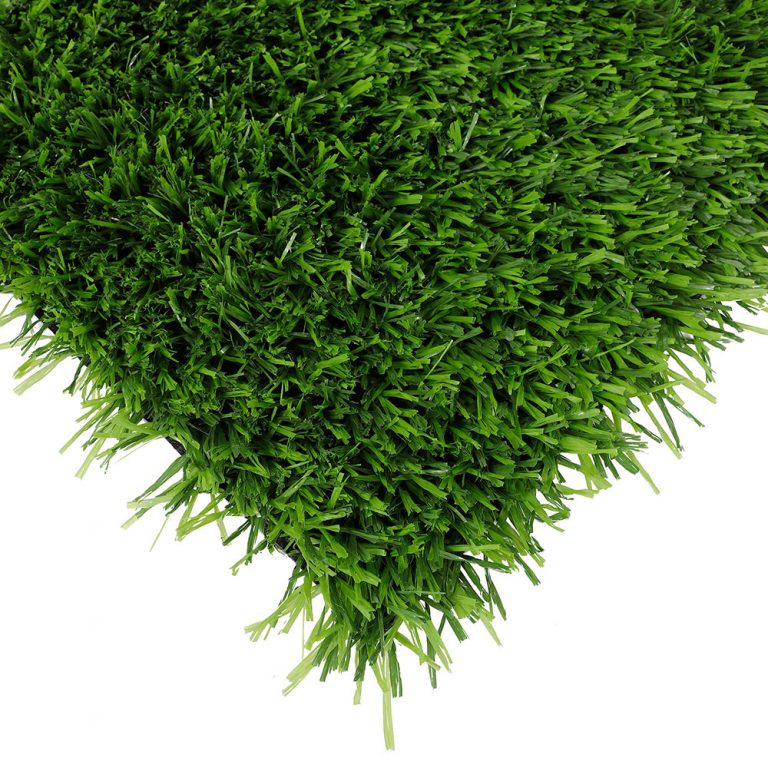
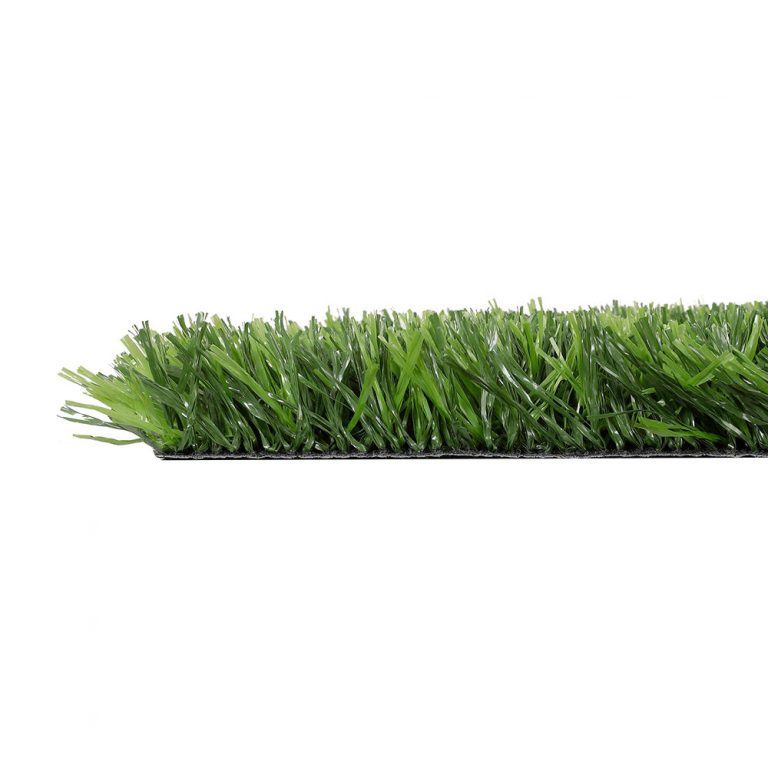
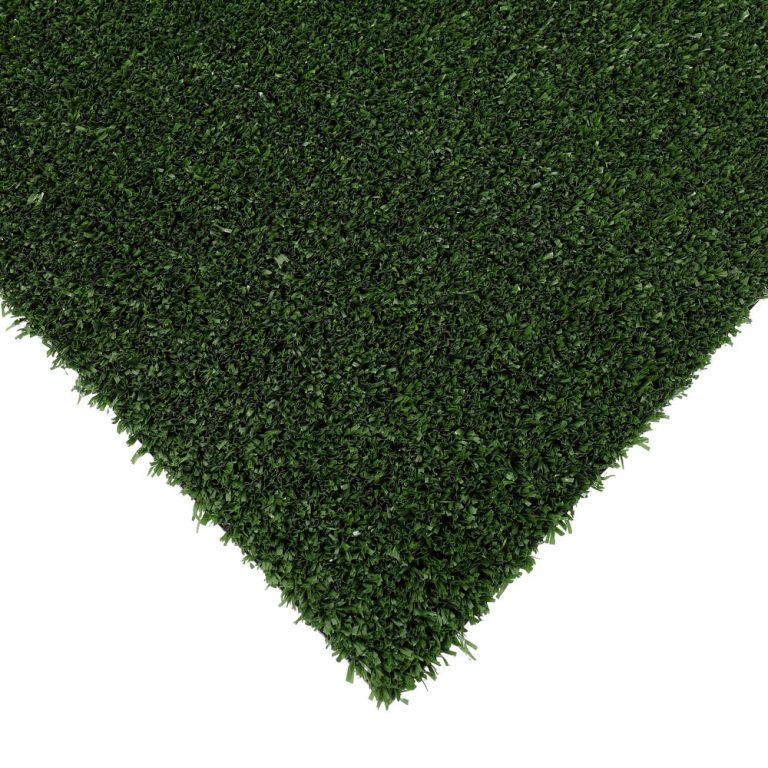
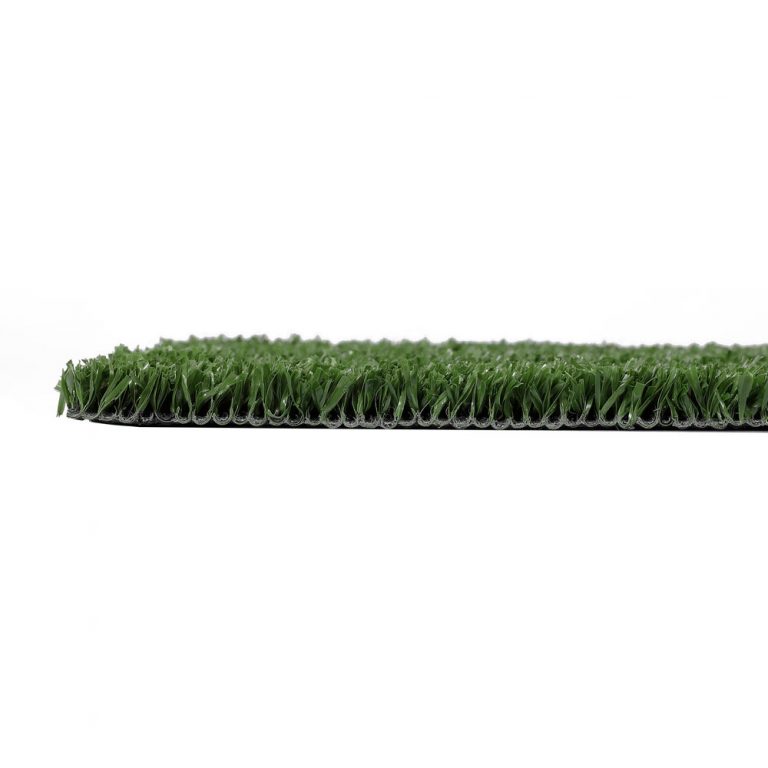
    You can review our products for Outdoor Synthetic turf Construction, Indoor Synthetic turf Construction and Regular Football Pitch Construction that you can use.

    ALL PRODUCTS

    Synthetic Football Field Installation Cost

    The synthetic football field price varies depending on several factors. Among the most important are whether the football pitch is indoor or outdoor, the type of synthetic turf used, the field dimensions, and its location.

    The cost of a synthetic football field depends on the project’s technical and aesthetic requirements. In addition, the construction cost of a synthetic football field is influenced by the quality of the turf, ground preparation works, and additional equipment such as lighting, fencing, or drainage systems. Choosing a high-quality synthetic football field ensures outstanding durability, better play performance, and reduced maintenance over the long term.

    As a trusted football field supplier, Reform Sports supports its clients through every stage of the project — from design to completion — offering customized solutions that meet international standards.

    To get a personalized quotation and find out how much a synthetic football field costs, please share your project details with us. Our team of experts will provide the most suitable solution using premium materials and professional expertise.

    If you would like to know the mini football field dimensions, Reform Sports also offers compact and cost-effective solutions ideal for sports complexes, schools, and local facilities.

    Building of Stadiums

    The building of stadiums requires advanced engineering, precise planning, and a comprehensive understanding of sporting facility standards. The building of stadiums process begins with feasibility studies, soil analysis, and structural load assessments to ensure long-term safety and durability. Modern stadium projects also incorporate sustainable design principles, such as energy-efficient lighting, drainage optimization, and environmentally friendly construction materials. When carried out by experienced teams, the building of stadiums becomes a streamlined process that meets global expectations for performance, comfort, and aesthetics.

    The building of stadiums also depends heavily on the location, climate, and intended usage of the facility. Whether the goal is to host professional competitions or community sports events, each project must be tailored with appropriate seating capacity, turf quality, and audience flow design. Thanks to advancements in engineering technology, today’s building of stadiums can incorporate retractable roofing, acoustic optimization, VIP lounges, and modern spectator amenities. By planning these elements early, project owners can significantly reduce operational challenges and maximize long-term value.

    Football Stadium Construction

    The football stadium construction process combines architectural creativity with precise technical standards, particularly for pitch dimensions, spectator areas, and emergency routes. The football stadium construction journey usually begins with concept design, capacity planning, and environmental impact assessments. These steps ensure that the final stadium is safe, functional, and aligned with FIFA guidelines. In addition, experienced contractors integrate modern structural systems that enhance durability against weather conditions and heavy usage.

    Stadium CapacityEstimated Construction TimelineMain Structural Requirements
    5,000 Seats6–9 MonthsStandard steel roofing, basic facilities, compact tribunes
    10,000 Seats8–12 MonthsReinforced concrete structure, expanded seating blocks, media rooms
    20,000 Seats12–18 MonthsAdvanced roofing systems, VIP lounges, enhanced circulation routes
    40,000 Seats18–30 MonthsFull steel-mega truss system, broadcast infrastructure, high-capacity evacuation routes

    The football stadium construction phase also involves selecting high-performance materials, advanced drainage layers, and reinforced steel structures. Each stage of football stadium construction is meticulously coordinated to reduce delays and guarantee consistent quality. Support areas such as locker rooms, media zones, and hospitality sections are designed simultaneously to ensure that player and audience experiences meet international expectations. With professional execution, football stadium construction projects achieve exceptional longevity and world-class standards.

    Sports Stadium Construction

    The sports stadium construction field encompasses football arenas, athletics tracks, multi-purpose indoor halls, and hybrid facilities. The sports stadium construction process focuses on creating structures that accommodate different types of sports while offering maximum safety and comfort. Engineering teams conduct wind-load studies, vibration analysis, and structural simulations to ensure complete stability. Sustainable solutions such as LED floodlights, solar energy systems, and water-saving turf technologies are also widely implemented in modern stadiums.

    The sports stadium construction model emphasizes operational efficiency, allowing stadiums to host large audiences without compromising infrastructure performance. From concourse design to seating layout, every element is optimized during the sports stadium construction planning stage. Incorporating versatile flooring systems and modular seating allows venues to adapt to various sports events. As a result, high-quality sports stadium construction supports long-term profitability and international-standard performance.

    • High-performance turf systems designed for professional football and athletics.
    • Reinforced steel and concrete structures engineered for maximum durability.
    • Advanced LED floodlighting systems suitable for international competitions.
    • Environmental control solutions including drainage, ventilation, and sound management.
    • Modular seating solutions adaptable for different event capacities and layouts.

    What Materials Are Used to Build a Soccer Stadium

    The what materials are used to build a soccer stadium question is essential for investors seeking durability and long-term value. Typical materials include reinforced concrete, structural steel, laminated glass, aluminum panels, and high-density polymer components. When evaluating what materials are used to build a soccer stadium, experts consider climate, audience capacity, and maintenance requirements. Complementary stadium materials such as anti-slip flooring, UV-resistant coatings, and high-performance turf systems also play a significant role in stadium longevity.

    The what materials are used to build a soccer stadium evaluation varies by region and project scale. High-capacity arenas often rely on advanced stadium materials that provide added safety, acoustic control, and structural resilience. Additionally, modern engineering includes load-bearing steel frames, fire-resistant composites, and insulated roof systems. Understanding what materials are used to build a soccer stadium ensures that stakeholders choose the most cost-effective and durable solutions available.

    Stadium Structural Design

    The stadium structural design phase defines the stadium’s foundation, load distribution, and overall architectural integrity. High-quality stadium structural design ensures that the building can withstand wind loads, vibrations, and heavy spectator movement. Engineers also incorporate dynamic simulation models to test real-world performance and optimize support systems. When executed properly, stadium structural design enhances safety and extends the lifespan of the facility.

    The stadium structural design process also addresses accessibility, emergency routes, and internal circulation paths. Architects coordinate with civil engineers to align the aesthetic vision with structural performance. By integrating layered roofing, steel trusses, and advanced reinforcement techniques, stadium structural design becomes the foundation of a robust and modern sports facility. This approach ensures that stadiums function efficiently under heavy usage and varying environmental conditions.

    In addition to these major topics, essential concepts such as stadium materials, how stadium builds, stadium build, and how long does it take to build a stadium are included throughout the planning and execution phases. Each factor influences the overall cost, timeline, and durability of the stadium project.

    Menu