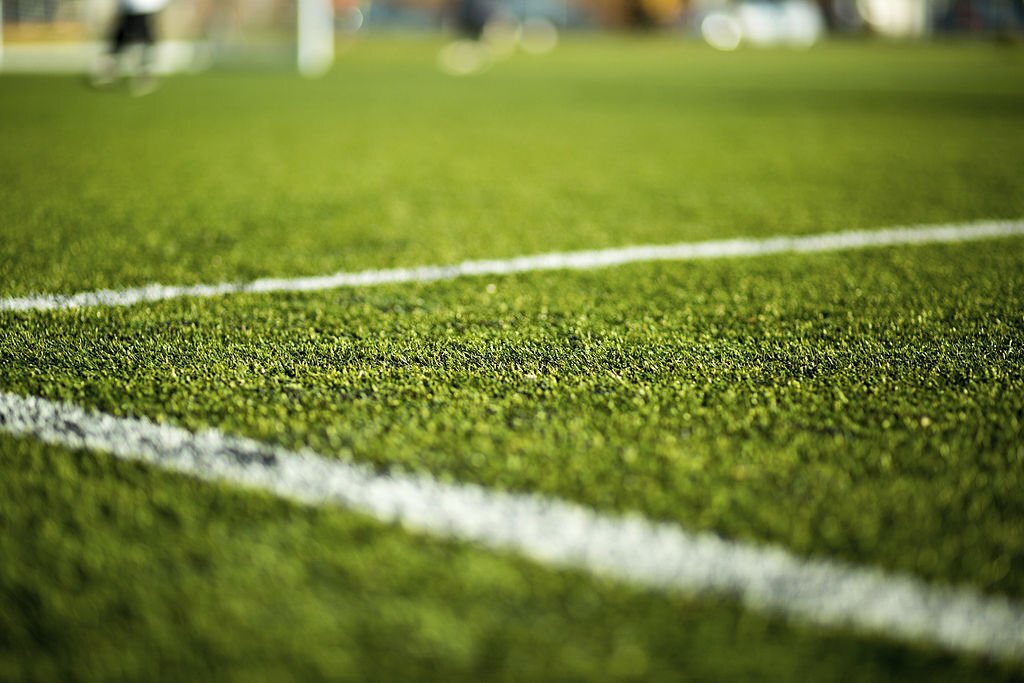
Football turf is artificial turf that has been specially designed for sports. Sports turf as artificial turf is particularly popular with football clubs, hockey clubs and golf clubs, but is also used in sports centers, football and crossfit. More and more private individuals are also deciding to lay sports turf in their garden. The children can play football or romp around on it without having to go to a sports club. However, laying sports turf in the garden has other advantages that explain the popularity of this type of turf.
The advantages of sports artificial grass
Artificial grass specially developed for sports has many advantages. The main advantages of this type of turf, especially when used as a sports turf for Sports grounds, crossfit or football, are as follows:
- Artificial turf used for sports – whether it’s Sports grounds, crossfit or football – lasts a very long time. If you choose artificial turf, you can usually count on a lifespan of 15 to 20 years. The higher the quality of the lawn, the longer the life of the product.
- If you choose artificial grass for your garden or sports fields, you are betting on a real sporting experience.
- Regular weed typically lasts about 250 hours per sporting season. Artificial turf for sports fields, on the other hand, is robust and therefore always playable. all year round Artificial turf pitches were therefore developed for intensive use by sports teams.
- An artificial turf that is used for football, crossfit or Sports grounds does not need to be mowed and weeded. Artificial grass requires very little maintenance, which of course saves you – or your gardener or groundskeeper – a lot of time.
- Sports turf as a variant of artificial turf was designed in such a way that it guarantees optimal shock absorption and also allows turning movements and pushing movements.
- Artificial grass is available in many types, sizes and finishes. There are many options in terms of grass height, but also in terms of grass thickness, color finish and value for money.
What are the impacts on football artificial grass costs?
These typical cost items can have a significant impact on the total costs:
Floodlight system: LED technology is more expensive to buy, but economical to operate. Floodlight systems for training operations are cheaper than floodlight systems that meet standards for national or international competitions.
Artificial grass granulate: There are big differences when it comes to infilling artificial turf. If the artificial turf pitch is filled with rubber granules, the costs are cheaper than for an artificial turf pitch filled with sand or cork.
Drainage: If existing drains can be used, the overall costs are reduced.
Sprinkler system: There are different ways of irrigating a soccer field. If existing structures can be used and the distance to the water connection is short, costs can be saved.
Barriers and ball fences: The costs can be reduced if the fence systems, barrier systems and ball fences can continue to be used.
Civil engineering: Depending on the subsoil situation, various extensive ground work may be required to create the necessary load-bearing capacity, evenness and water permeability of the subsoil.
Outdoor facilities and pathways: A new access road and recreation areas are often required for the sports facility. Members of the association can contribute their own contribution.
Ancillary construction costs: Expert reports on the subsoil and on light and noise emissions are necessary for good planning. Commissioning a specialist planner incurs fee costs. However, good planning protects the client from planning errors and cost traps.
The right soccer shoes for the artificial turf pitch
Opinions differ on the football boots best suited for this pitch. Some claim that cleats are not suitable for artificial turf and recommend football boots with studs. But then there are also experts who give exactly the opposite tip. Some clubs ban shoes with metal studs on their artificial grass pitch and only allow them on other pitches. In case of doubt, the site regulations regulate which footwear is permitted and which is not. If you are unsure, the groundskeeper will also provide information. In the meantime, however, the manufacturers have also reacted. Many soccer shoes are now marked AG, which means something like artificial grass or artificial turf. These shoes are specially designed for the needs of this type of field, so their sole is made of multi-studs and the studs are made of plastic.
Check out our options
There are many options when it comes to artificial grass. With us you can rely on a high quality service. Among other things, excellent and thorough advice from experienced professionals, sports turf from the best brands, but also competitive prices and a wide range. View our range online now, request free samples or contact our customer service if you have any questions. And maybe your grass will soon be a lot greener than that of your neighbors. We as Reform Spor would be happy to advise you personally on subsidy programs and financing options for your artificial turf pitch.